High contrast slots and the maths behind repeat play
I was sitting in a Gold Coast RSL club last arvo, watching a row of pokies glow against the dim bar lighting, when it struck me how much of the appeal comes from visual clarity rather than sheer noise. That same idea carries over to casino high contrast gambling, where sharp symbols, readable paylines and uncluttered screens make the mechanics easier to follow session after session. I spoke with someone who designs slot mathematics for a living, and the conversation kept returning to a simple point: if you can read the game quickly, you can make better decisions about pace, bankroll and when to step back.
Reading the screen before the spin
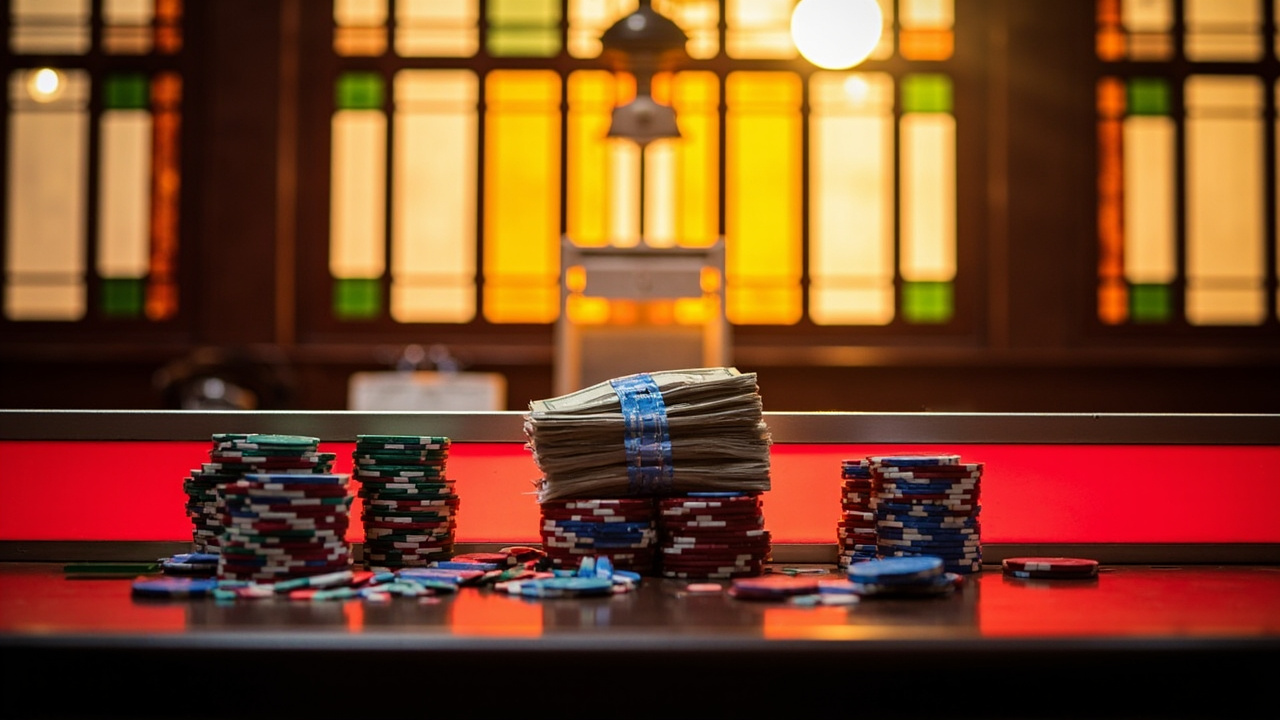
The first thing worth sorting out is how a game presents itself on a busy phone or a cramped terminal. High contrast layouts aren’t just about aesthetics; they reduce the mental load when you’re trying to track a bonus trigger or a free-spin counter. My guest reckons a well-designed interface lets you compare timing against notes on Perth gambling forums, where slow transfers get flagged fast, because the same clarity that helps you spot a payout pattern also helps you notice when a session is drifting. He pointed out that his own modelling tools break a reel strip down into hit frequency, average bet and expected return, then layer the visual design on top so the two stay aligned. When the symbols are easy to distinguish and the paytable is legible, you spend less time squinting and more time understanding what the game is actually asking you to do.
From a design standpoint, that matters because contrast affects how you perceive volatility. A screen packed with motion and overlapping effects can make a medium-volatility game feel erratic, while a cleaner layout can make a higher-variance set-up feel more readable. The point isn’t to judge a game by its cover, but to recognise that presentation changes how you experience the maths underneath. If you’re testing a new title, it helps to test game with 15 dragon pearls demo and watch how the symbols land when the screen is bright, when it’s dim, and when you’re playing on a smaller device on the way back from the coast.
What the maths is actually doing
Hit patterns and how often you see something
The core of any slot is the reel model, and the first thing my guest looks at is how often a spin produces a visible result rather than a near-miss. He builds the probability tree from the ground up, mapping symbol distribution across each reel and weighting the combinations that actually pay. That gives a hit frequency that isn’t the same as a win frequency, and the distinction matters because a game can land frequently on small returns while still holding its edge. He described the process as less about chasing a big hit and more about understanding the rhythm of the machine, the way you’d read a tide chart before heading out on the Gold Coast in the afternoon. Gamblinghood
Bonus rounds and the cost of a trigger
Free spins, pick-me games and multiplier boosts all live inside the same model, and each one has a trigger probability attached to it. The interesting part is how the bonus is priced into the overall return. A frequent trigger with a modest payout can feel generous in the short term, while a rare trigger with a larger showcase can feel sparse until it lands. He noted that the design goal is usually to keep the bonus visible enough that players recognise it, but not so frequent that the base game loses its shape. That balance shows up in the numbers long before it shows up on the screen, and it’s one of the reasons repeat play depends on whether the bonus feels earned rather than random.
Volatility as a pacing tool, not a promise
Volatility is often talked about as if it were a guarantee, but in practice it’s a pacing tool that describes how results cluster over time. A higher-variance game can produce longer dry spells between meaningful payouts, while a lower-variance game tends to return smaller amounts more regularly. He compared the modelling process to the way Pluribus later beat professionals in six-player Texas Hold’em, a major milestone in game-solving, because both involve mapping a space of possible outcomes and understanding how strategy interacts with probability. The comparison isn’t about beating a machine; it’s about recognising that the numbers describe behaviour over many spins, not the next one.
Who this style of play suits
The first scenario is the player who wants a readable session rather than a sensory overload. If you like keeping track of your pace, noticing when a bonus is close, and playing at a steady rhythm, a high-contrast layout makes that easier. The second scenario is the player who returns for loyalty perks, cashback and tournament leaderboards rather than just the welcome offer. Ongoing value after the welcome offer comes from recurring promos, cashback, loyalty/VIP tiers, tournaments and repeat-play reasons, and those programs tend to reward regular sessions more than one-off spins. A clear screen helps there too, because you can see your standing, your tier progress and your remaining balance without wading through clutter. The third scenario is the player who lives a fair distance from a physical venue and relies on regional internet to stay connected; in that case, a game that loads cleanly and reads well on a phone matters more than one that demands a large monitor.
Keeping the session in perspective
Casino high contrast gambling is best thought of as a design approach that makes the maths easier to read, not as a way to tilt the outcome in your favour. The appeal for an Australian player often comes down to pace, clarity and the small conveniences that make a return visit sensible: a legible paytable, a bonus you can actually see building, and a loyalty structure that recognises regular play. If you’re weighing up a new title, the useful question is whether the screen helps you understand what you’re playing, and whether the ongoing rewards line up with the way you actually play.